
FirstNet Pre-Emption and Public Safety Network Planning
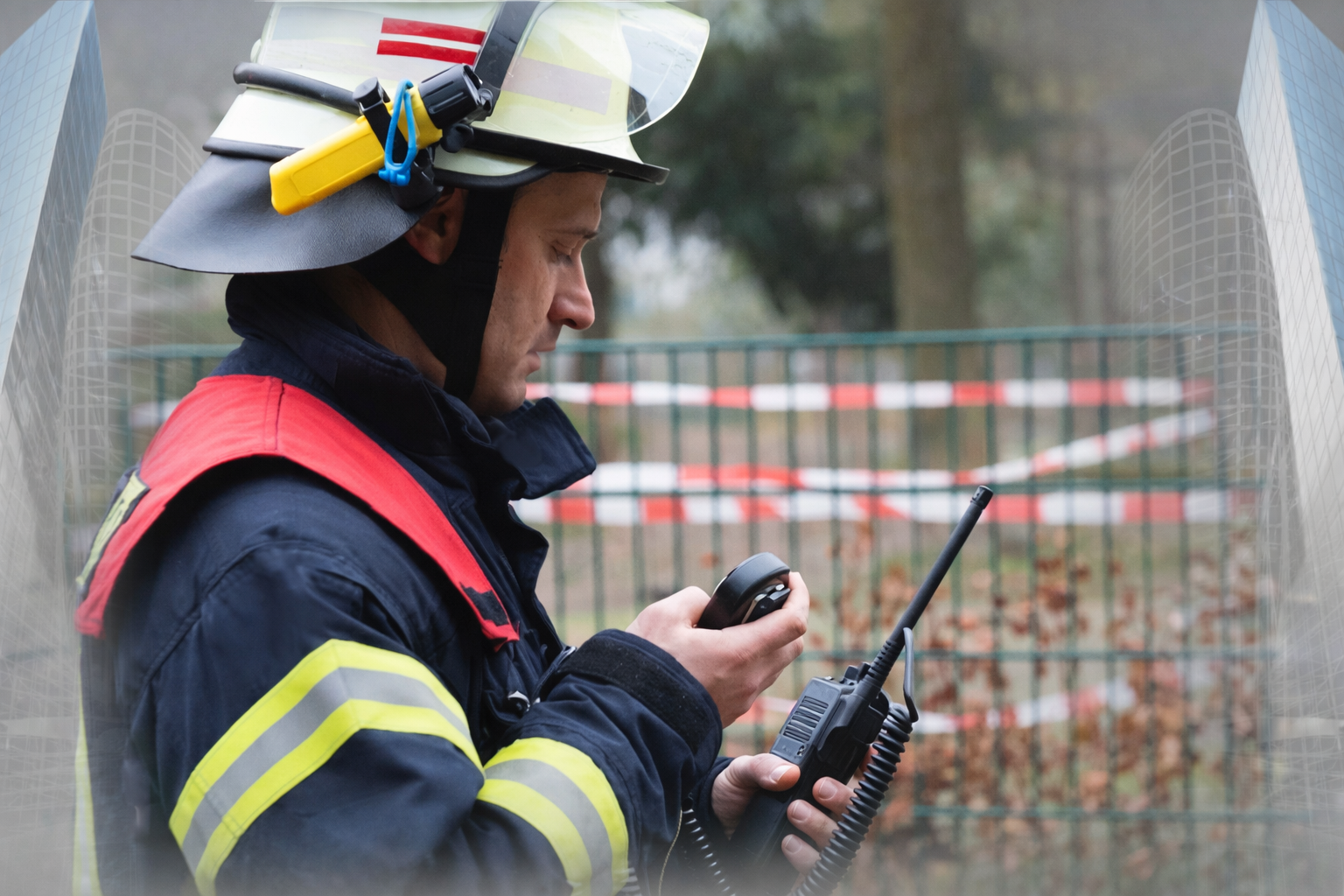
The First Responder Network Authority (FirstNet) recently published its technology roadmap for 2018-2019 which confirms that it expects initial mission-critical push-to-talk (MCPTT) services to be available on the nationwide public-safety broadband network by March 2019.
At the June 28 board meeting FirstNet President TJ Kennedy noted:
“This means the technology, software and hardware will be in place,” “It does not mean that everyone is just going to flip a switch and say, ‘this is perfect or it does everything we need it to do.’
“What they will do is they will have the capability, and they will utilize it alongside the other MCPTT capabilities they have and start to build trust in it and use it in the ways they need. When a public-safety agency decides that MCPTT over LTE is good enough for them, it is up to them to make that decision.”
To recap, a key requirement for Public Safety voice users on all existing networks in use today is support for Mission Critical Push to Talk. This is the standard form of public safety voice communication. Essentially the speaker pushes a button and broadcasts to other units, often in a closed user group. Audio quality and responsiveness are the key defining qualities. As once famously described, the listener MUST be immediately able to tell the difference between ‘shoot’ and ‘don’t shoot’, first time, without repetition…
While LTE already supports voice via Voice over LTE (VoLTE), MCPTT is part of 3GPPP LTE Release 13, which was only “frozen” by the 3GPP standards body in 2016. As such it is not expected to be operational on LTE networks until sometime after 2018, so the March 2019 timeline seems realistic.
In the longer term, support for MCPTT service and VoLTE permits expanding the role of the NPSBN to encompass voice services as well as data, offering a long-term path to a fully integrated First Responder network based on the expanded AT&T network.
As we have previously noted, if MCPTT is the catalyst for VoLTE over FirstNet to become the primary voice service for Public Safety then it seems obvious that in-building certification will be required to similar standards as are currently mandated.
The path to support is still evolving and it is not clear to what extent MCPTT will be offered. As part of the FirstNet roll out commitment, AT&T will be building a dedicated LTE network on Band 14 (700 MHz). This network will likely be rapidly deployed on existing sites to meet initial coverage goals with subsequent densification and expansion of the network over time.
It is possible that any MCPTT service will only initially be offered on this Band 14 network, which has excellent coverage and in building penetration characteristics. However, providing nationwide coverage including in rural areas on what is essentially a new network, is quite a challenge. Should AT&T elect to offer similar voice service on its other frequencies to further expand availability, it again raises the question of how in building coverage will be supported and tested for code compliance.
In the short term, existing LMR networks will likely remain the primary system for emergency voice support, and regulations for testing and ongoing compliance will continue to focus on these frequency bands. However, once the FirstNet band 14 network becomes a reality and as MCPTT services are offered (and perhaps offered across multiple frequencies), municipalities and states will undoubtedly look carefully at code compliance coverage requirements for these new advanced services.
In Government, budgets drive decisions as much as accountability or reason. Maintaining redundant voice networks is an option but not a long term reality, so if FirstNet is successful LMR networks will inevitably fade. Smart cities will be ready to anticipate and embrace this change and shape their regulatory environment to encompass it.